Uniformed Security Protocol: The Foundation of Professional Protection
Introduction
In today’s rapidly evolving security landscape, businesses, residential communities, educational institutions, and public venues require more than just surveillance systems to maintain safety. A well-structured Uniformed Security Protocol serves as a visible and effective security measure that helps deter crime, maintain order, and ensure the safety of people and property.
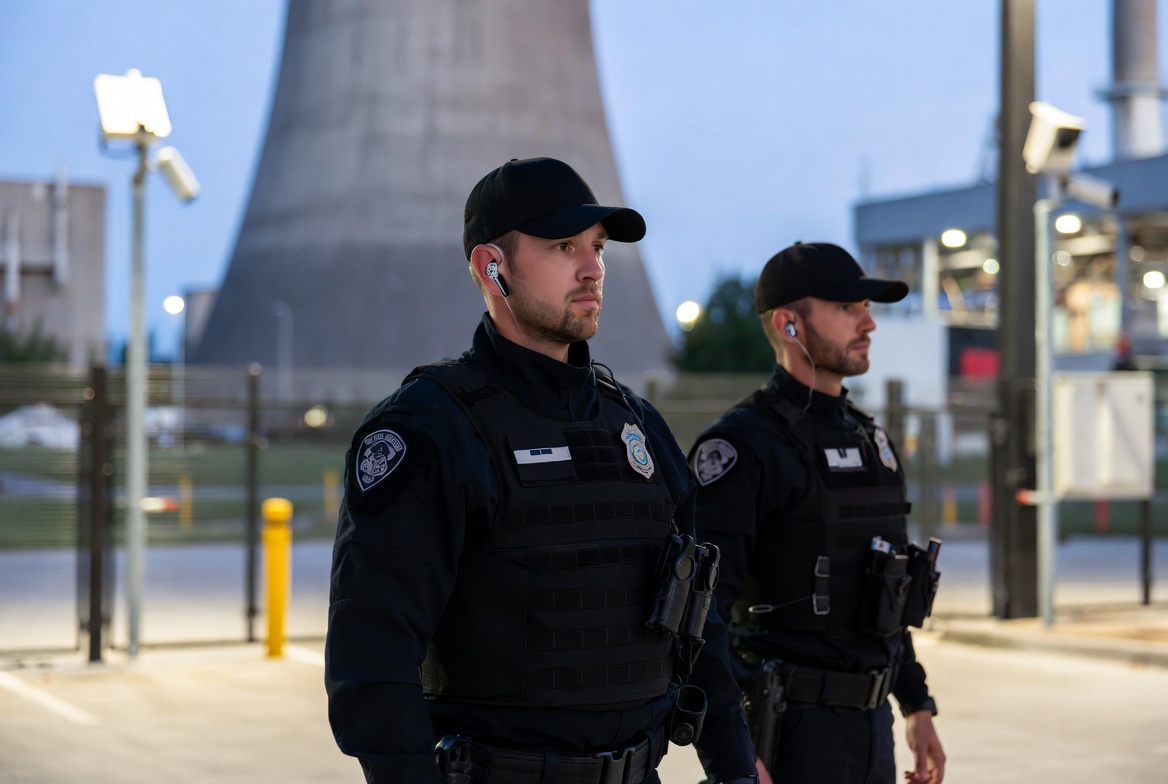
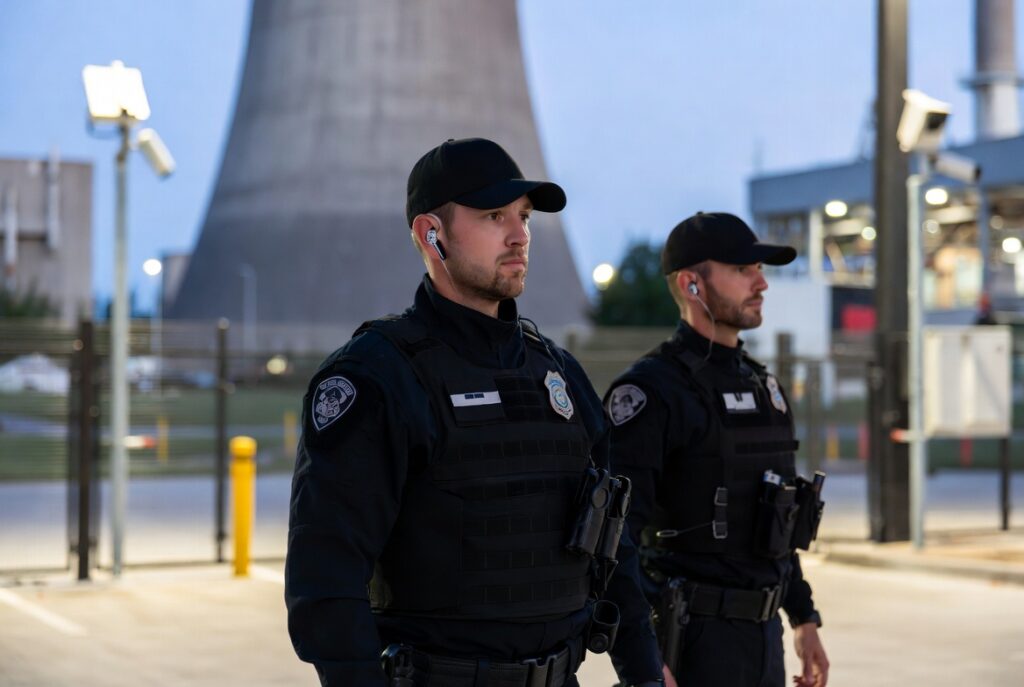
Uniformed security personnel represent the first line of defense against potential threats. Their professional appearance, training, and adherence to established security procedures create a secure environment while providing reassurance to employees, customers, and visitors.
What Is a Uniformed Security Protocol?
A Uniformed Security Protocol refers to a set of standardized procedures, guidelines, and responsibilities followed by uniformed security officers while performing their duties. These protocols are designed to ensure consistency, professionalism, and effectiveness in all security operations.
The protocol typically includes:
- Access control procedures
- Visitor management
- Patrol schedules
- Emergency response procedures
- Incident reporting
- Communication standards
- Customer service expectations
- Safety compliance measures
By following these established guidelines, security personnel can respond efficiently to both routine situations and emergencies.
The Importance of Uniformed Security
Visible Crime Deterrence
One of the most significant advantages of uniformed security officers is their visible presence. Criminals are less likely to target locations where trained security personnel are actively monitoring the premises. The uniform itself acts as a powerful deterrent, signaling that security measures are in place.
Enhanced Public Confidence
Customers, employees, and visitors often feel safer when they see professional security personnel on-site. A strong security presence promotes confidence and contributes to a positive environment, particularly in commercial properties, healthcare facilities, schools, and residential communities.
Rapid Emergency Response
Security officers trained under a uniformed security protocol can quickly identify threats and take appropriate action. Whether responding to medical emergencies, fire alarms, unauthorized access attempts, or suspicious activity, officers are prepared to act according to established procedures.
Improved Access Control
Controlling who enters and exits a facility is a critical aspect of security. Uniformed officers enforce access policies, verify credentials, manage visitor logs, and help prevent unauthorized entry.
Key Components of an Effective Uniformed Security Protocol
Professional Appearance and Conduct
Security officers must maintain a clean, professional appearance at all times. Proper uniforms, identification badges, and grooming standards help establish authority and professionalism.
Additionally, officers should demonstrate:
- Integrity
- Courtesy
- Professional communication
- Situational awareness
- Accountability
Regular Patrol Procedures
Routine patrols are essential for identifying potential security risks before they escalate. Patrols may include:
- Building inspections
- Parking lot monitoring
- Perimeter checks
- Equipment and asset inspections
- Safety hazard identification
Documenting patrol activities helps maintain accountability and provides valuable records for future reference.
Incident Reporting
Every security-related event should be properly documented. Detailed reports allow organizations to track trends, investigate incidents, and improve security measures.
A comprehensive incident report typically includes:
- Date and time of occurrence
- Location
- Individuals involved
- Description of the incident
- Actions taken
- Recommendations for prevention
Emergency Preparedness
A successful security protocol includes detailed emergency response plans for situations such as:
- Fire emergencies
- Medical incidents
- Natural disasters
- Active threats
- Evacuations
- Security breaches
Regular training and drills ensure officers remain prepared to handle emergencies effectively.
Communication Procedures
Effective communication is essential during security operations. Officers should maintain clear communication with supervisors, emergency responders, management teams, and other staff members.
Modern communication tools may include:
- Two-way radios
- Mobile communication systems
- Emergency notification platforms
- Digital reporting software
Industries That Benefit from Uniformed Security Protocols
Commercial Properties
Office buildings and corporate facilities require security officers to monitor access points, protect assets, and maintain workplace safety.
Residential Communities
Uniformed security personnel help protect residents by monitoring entrances, conducting patrols, and responding to security concerns.
Educational Institutions
Schools and universities benefit from trained security officers who help maintain a safe learning environment while supporting emergency preparedness efforts.
Healthcare Facilities
Hospitals and medical centers often rely on security personnel to manage visitor access, protect patients and staff, and respond to emergencies.
Retail Centers
Shopping centers and retail stores use uniformed security officers to prevent theft, manage crowds, and ensure customer safety.
Best Practices for Implementing a Uniformed Security Protocol
Organizations can maximize security effectiveness by:
- Conducting regular risk assessments.
- Providing ongoing officer training.
- Establishing clear security procedures.
- Utilizing modern security technology.
- Maintaining detailed documentation.
- Reviewing and updating protocols regularly.
- Encouraging collaboration between security personnel and management.
Conclusion
A well-designed Uniformed Security Protocol is essential for maintaining a secure and professional environment. Through visible deterrence, structured procedures, emergency preparedness, and effective communication, uniformed security officers play a critical role in protecting people, property, and organizational assets.
As security challenges continue to evolve, businesses and institutions that invest in comprehensive security protocols are better positioned to prevent incidents, respond effectively to emergencies, and foster a safer environment for everyone.
